Free spins can make a casino promotion look simple, but the more important question is how easily you can control the activity around it. Before considering lussurio casino promo code, Canadian adults should review available deposit, wagering, loss and time-management tools, then decide which limits belong in place before any promotional play begins. A bonus is not income, and free spins do not remove wagering conditions, withdrawal checks or the possibility of losing deposited funds. A practical approach is to treat every promotion as entertainment with a fixed cost, a defined time window and a clear stopping point.
Which controls matter before accepting a promotion?
The first useful control is a deposit limit. This sets the amount that can be added during a selected period and helps separate a promotion from an impulse decision. A headline offer may encourage several deposits or spread rewards across multiple qualifying transactions, but a personal limit can prevent the promotion from determining how much you spend. Set the limit before opening the cashier, and choose an amount that would not affect rent, food, debt payments or other obligations if it were lost.
A wagering or betting limit serves a different purpose. It can restrict how much is staked, even when a promotional balance appears available. This distinction matters because bonus funds may need to be played through before withdrawal, and published descriptions may calculate wagering on the deposit plus the bonus rather than the bonus alone. A large balance on screen is therefore not the same as withdrawable money. Read the specific offer terms and consider whether the required activity fits your intended entertainment budget.
Loss limits are another useful safeguard because they focus on the result rather than the amount deposited or wagered. For example, someone might deposit a modest amount, win temporarily and then continue playing until the balance disappears. A loss limit can create a boundary around that pattern. These controls are most effective when chosen calmly, before a game begins. If the available settings are unclear, ask support how each limit is calculated, when it takes effect and whether an increase involves a waiting period.
How can time limits prevent promotion-driven play?
Time can become difficult to judge when free spins or short promotional campaigns are involved. A player may intend to check an offer briefly, then continue through several games because the remaining spins or bonus balance create a sense of unfinished business. A session limit provides a practical stopping point. Decide the maximum length in advance, use a phone or clock reminder if necessary, and leave when the session ends rather than extending it to recover losses.
Reality checks can support this plan by displaying how long the session has lasted and, depending on the account settings, possibly summarizing activity. They are not a substitute for personal judgement, but they interrupt the continuous flow of play. A useful routine is to pause whenever a reminder appears, review the amount spent and ask whether continuing still matches the original plan. If the answer depends on winning, completing wagering or reaching a target, stopping is usually the safer decision.
Short cooling-off periods are appropriate when play feels more frequent or intense than intended. They create a temporary break without necessarily becoming a permanent account restriction. During a cooling-off period, avoid switching to another gambling account or treating a different promotion as a workaround. If gambling is becoming difficult to control, the Responsible Gambling Council’s information resources offer Canadian-focused guidance and support information. The aim is not to optimize a bonus, but to restore distance from the decision.
What should you check when a limit is difficult to change?
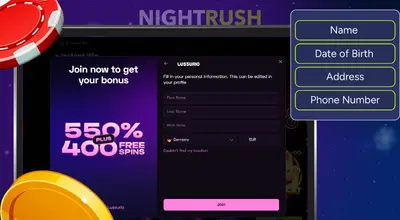
Account controls are not all identical. Some may begin immediately, while others may apply at the end of a current period. A reduction may take effect faster than an increase, and a request to raise a limit may involve a delay or review. These details matter if a player assumes that a newly chosen restriction will instantly prevent every type of transaction. Before relying on a setting, read the account wording or ask customer support when it becomes active.
Also check whether the limit covers all relevant activity. A deposit limit may not be the same as a loss limit, and a session reminder may not automatically end access. Promotional play may have separate terms from ordinary cash play, while certain games can contribute differently towards wagering. The available source material describes deposit, wagering, loss, time, session, reality-check, cooling-off and self-exclusion tools, but it does not establish the exact calculation or activation rule for every setting. Do not assume one control replaces another.
Keep a simple record of your request. Note the date, the limit selected, the period covered and any message confirming activation. If a setting does not appear to work, stop depositing while the issue is investigated and contact support through the stated channel. Save relevant replies and transaction records. This is especially sensible when verification, payment ownership or an account review is also pending, because a promotional dispute and a responsible-gambling request should be documented separately.
When is self-exclusion more suitable than a temporary break?
A cooling-off period may suit someone who wants a brief, defined pause. Self-exclusion is stronger and is better suited when gambling has become difficult to keep within agreed limits, when repeated attempts to stop have failed or when access itself is a trigger. It should be treated as a protective decision, not as a challenge to complete before returning. Once selected, do not create another account or seek a new promotion to bypass the restriction.
Before activating self-exclusion, consider practical steps outside the account. Remove saved payment details where possible, unsubscribe from promotional messages, delete bookmarks and tell a trusted person what you are doing. If gambling has affected bills, borrowing or relationships, make those concerns part of the plan rather than focusing only on the account setting. A self-exclusion tool can restrict access to one service, but it cannot by itself resolve financial stress or gambling-related harm elsewhere.
Support may be appropriate even when losses seem limited. Warning signs include hiding gambling, chasing losses, using money needed for essentials, feeling restless when not playing or repeatedly breaking personal limits. In Canada, available help can vary by province and territory, so use a recognized public-health or responsible-gambling resource to identify local options. Seeking assistance early is not an admission of failure; it is a way to make future decisions less dependent on willpower during a difficult moment.
How should you build a personal promotion plan?
Start with a written entertainment budget for the week or month. Include only money that can be lost without affecting necessities, and keep gambling separate from credit intended for ordinary expenses. Then choose a maximum session length and a loss ceiling. If either limit is reached, end the session regardless of whether free spins remain, a bonus is partly wagered or a game appears close to a win. Unused promotional value is not a reason to spend more cash.
Next, read the offer before opting in. Confirm the qualifying deposit, expiry period, wagering calculation, eligible games, contribution rules, maximum cash-out conditions and any restriction that applies after a withdrawal request. The available material indicates that promotional conditions can differ by campaign or acquisition method, and that no single universally valid Canadian code is established. Check the current operator terms rather than relying on an old advertisement, social post or third-party summary.
Finally, review the plan after the session, not only the result. A win does not prove that the approach was safe, and a loss does not justify increasing the budget. Record deposits, withdrawals, time spent and whether you followed your limits. If the promotion caused you to stay longer, deposit more or chase a previous balance, do not accept another offer until you have reconsidered the arrangement. The strongest control is a decision made before the promotional excitement begins.
Questions about free spins and gambling controls
Are free spins free if no extra deposit is required?
Not necessarily. A no-deposit or free-spin offer may include wagering conditions, a winnings cap, expiry rules or a qualifying deposit before withdrawal. The value shown in an account may be promotional rather than cash that can be withdrawn immediately. Read the specific terms and avoid treating the offer as risk-free income.
Can a deposit limit stop all gambling losses?
No. A deposit limit restricts new funds according to its stated period, but it may not cover an existing balance, winnings already in the account or another gambling service. It also may not activate immediately. Combine it with loss, time and session controls, and confirm the precise scope before relying on it.
When should someone choose self-exclusion?
Self-exclusion is worth considering when gambling repeatedly exceeds planned limits, causes financial or relationship problems, or feels difficult to stop. It is stronger than a short cooling-off period. After activating it, avoid opening another account or using another promotion to bypass the restriction, and seek support suited to your province or territory.
GET READY TO SECURE YOUR SUPPLY CHAIN
Get valuable advices, tips, recommendations from our quality management experts and inspection specialists
CONTACT US NOW ! Feel the form below.