
France Manufactured Sports Equipment & Accessories Quality Control
France has never been less about wine and fashion than it is today, and that includes something else that not many people know: its sports gear. From sleek road bikes to ripstop ski boots, from gym essentials to protective team sports equipment, French brands have made a name for themselves in making smart designs with rugged construction. They can’t be compared.
And with sports in particular, especially if there’s lots of impact or safety concerns, there’s no room for error. So quality control (QC) and quality assurance (QA) come into play. Every bolt, strap, seam matters, and these checks aren’t just “formalities”. They’re the checks that keep athletes safe, make sure equipment performs under pressure, and allow brands to establish real trust with consumers.
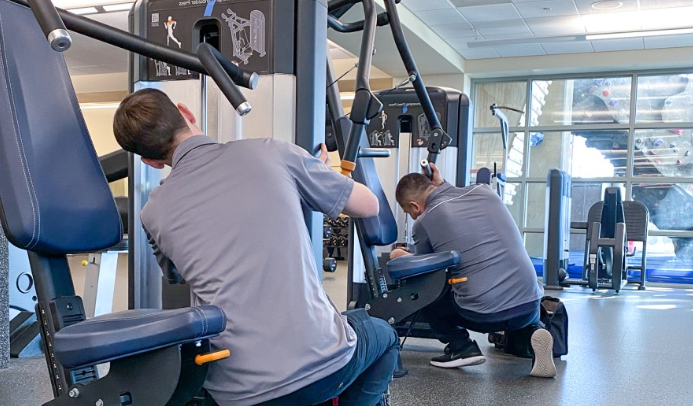
France Sports Equipment Quality Inpection
Key Sports Equipment Manufactured in France
France makes a variety of different sports gear, from weekend hikers to professional athletes in every sport. Get a closer look at what’s coming out of French factories.
-
Cycling Equipment
- Be it for city commuting or for mountain bike trails, France manufactures all types of bikes — road, mountain, and even electric ones.
- The safety aspect of helmets, padding on cycling gloves and performance shoes make the process comfortable.
- You will also find well thought-out components, such as lightweight frames, aerodynamic wheels and breathable saddles.
Skiing & Snowboarding Gear
- With the Alps as their natural playground, France’s makers make skis, snowboards and poles that are designed for performance — and performed on by the slopes themselves to prove strength, balance and durability.
- Supportive boots, secure bindings and impact-resistant helmets make for the slopes.
- The line up includes accessories such as anti-fog ski goggles and insulated protective clothing.
Fitness & Training Equipment
- From traditional dumbbells and kettlebells to portable resistance bands… France offers everything for every workout.
- All mat-based equipment — such as yoga mats and pilates accessories — is designed to be comfortable and gripping.
- In the more specialized settings treadmills, rowing machines and stationary bikes are designed by precision engineers.
-
Team Sports Equipment
- Think soccer balls that last, basketballs that are gripped correctly and volleyballs that are ready for the game.
- The strength of protective equipment – for example shin guards, padded elbow sleeves, and mouthguards.
- Equipment, such as strong goalposts, bright cones and netting materials, help teams practice the hardest.
Outdoor & Adventure Sports Accessories
- France manufactures rugged climbing harnesses, Carabiners & impact tested helmets for protection at high altitudes.
- You’ll need tents, sleeping bags and rain/weatherproof backpacks if you ‘re doing some sort of weekend hike or expedition.
- The water sports equipment (i. e. wetsuits, surfboards and certified life jackets) will be suitable for the weather.
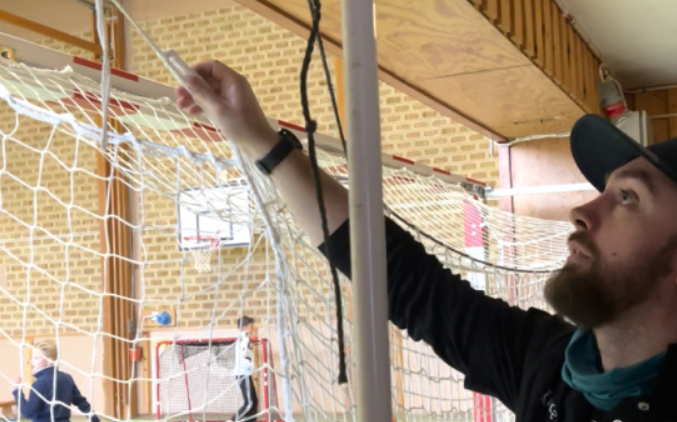
France Sports Accessories Quality Inspection
Manufacturing Regions for Sports Equipment in France
Key regions specializing in sports equipment manufacturing include:
- Auvergne-Rhône-Alpes (Annecy, Lyon): Outdoor and winter sports equipment are a matter of pride here – and in this region, too, if you look at skis, snowboards, and ski-for-the-hill clothing, it is truly made for the slopes.
- Occitanie (Toulouse): The innovation capital of the world, the Occitanie region focuses on cutting edge cycling gear and light materials that allow athletes to travel faster and farther with less resistance.
- Île-de-France (Paris suburbs): Shopping for comfortable but functional fitness accessories, sportswear and training gear. You get performance and urban design.
- Nouvelle-Aquitaine: With the Atlantic coast at its doorstep, this area turns to surfboards, swimwear and water activities (with surf wetsuits, surf boards and life jackets built to be submerged in the sea).
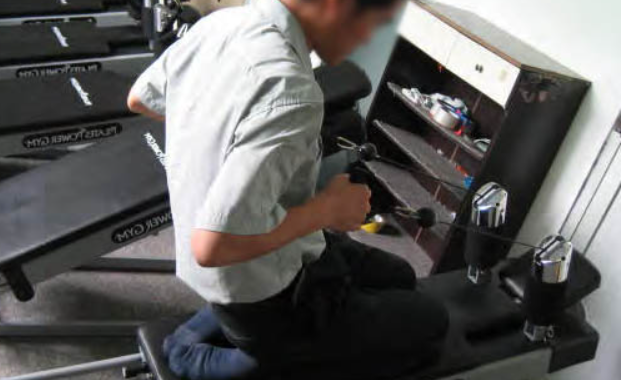
Quality Control (QC) in Sports Equipment Manufacturing
Sports equipment must not only look good—they must also be good at doing that stuff. Whether it’s pushing through a 100-minute workout or taking on weather and terrain on a mountain trail, this gear is there to be used. So it’s called quality control. Quality control is the process of making sure every product that goes out here is durable, safe and trustworthy by inspecting and testing it as it goes out.
1. Incoming Material Inspection
- High performance fabrics such as carbon fiber, aluminum, plastic and textiles used in activewear are examined for their strength, flexibility and overall durability – because weak parts do not belong in activewear.
- All materials arriving are validated for compliance with REACH and other safety standards to ensure nothing hazardous makes its way into the final product.
- Suppliers aren’t just trusted, they are audited to make sure each component on the scale up is meeting the same quality promise.
2. In-Process Quality Control (IPQC)
- Every frame, helmet and strap is measured in millimeters so they’re built to specification, that even a hundredth of an inch wrong can be a problem in terms of safety or comfort.
- Functional tests simulate life in real-life settings to ensure that the gear can withstand stress, strain and repeated movement without failure.
- Inspections detect possible surface defects early cracks, dents, or bad finishing that may affect the performance or lifespan of the product.
3. Final Quality Control & Pre-Shipment Inspections
- Before delivery, any random product samples are taken to be tested using the methods of AQL (Acceptable Quality Level).
- Items are put through extreme simulations (drop tests, impact tests, fatigue tests) so that they’re ready to go to war.
- Double checking of labels, certifications and packaging to ensure that everything is accurate, valid and ready for retail or export.
Quality Assurance (QA) Frameworks in French Sports Equipment Manufacturing
QA is all about being one step ahead of problems, knowing exactly what ‘s going wrong before it happens by modifying processes & procedures / documentation & continually trying to do better.
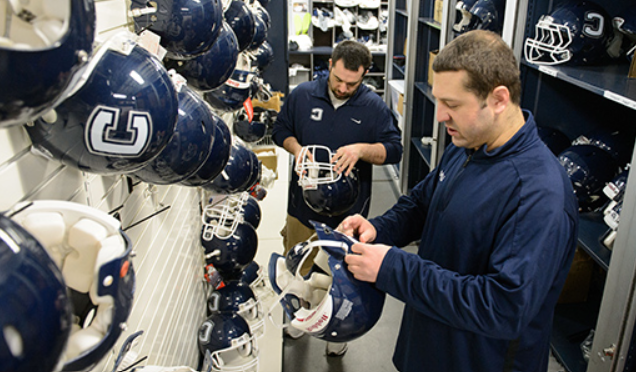
1. Factory Audits & Compliance Checks
- Production units are audited to ensure that they meet international quality standards – such as ISO 9001 in terms of quality, ISO 14001 when it comes to environmental responsibility and ISO 45001 as regards workplace safety.
- Testing tools and machinery are regularly calibrated to ensure reproducible, accurately resulting results – guesswork should be avoided in terms of sports equipment.
- Cleaning, worker safety and process documentation are audited for the purpose of maintaining efficient and safe production environments.
2. Supplier & Vendor Evaluations
- Qualified suppliers undergo strict qualification audits to ensure traceability of the materials, and conformity with safety and ethical requirements.
- Third party providers (e. g. textiles and padding) should have OEKO-TEX certification. A certified textile or padding ensures it is skin-safe and sustainably produced.
- Not just quality, it’s values, for suppliers are also assessed for sustainability practice and compliance with labor standards.
3. Continuous Improvement & Risk Management
- That ’s because so many manufacturers are turning to proven techniques like Lean and Six Sigma, not just for saving money, but to increase efficiency and keep production running smoothly.
- They do FMEA (Failure Mode and Effects Analysis) to identify risks in the design and production before they affect consumers.
- And customer feedback isn’t just recorded, it is studied. Warranty claims and reviews will help inform updates and preventive actions so problems don’t happen again.
Product Testing & Certification for Sports Equipment
To do well on the world level, sports produced in France must go beyond design to pass strict safety and performance tests – from helmets to tents, each product goes through obligatory and voluntary quality control procedures to make sure it performs like it should.
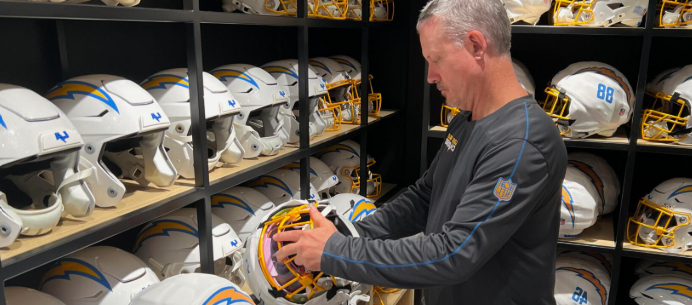
France Sports Equipment and Accessories Quality Inspection
1. Mechanical & Performance Testing
- All helmets, pads and protective equipment are tested in impact (EN 1078, ASTM F1447) to make sure they can withstand hitting.
- Bike/climbing equipment and gym equipment are tested for strength and load-bearing capacity to make sure they’re durable under stress.
- Moving parts face fatigue testing to check how well they handle repetitive stress over time.
2. Safety & Compliance Testing
- Materials tested for presence of hazardous material pursuant to REACH and California Prop 65 requirements.
- Camping equipment and protective clothing are tested for flame retardancy to make sure they ‘re safe around open fire or heat.
- Life jackets must prove their flotation abilities through ISO 12402 buoyancy testing.
3. Environmental Testing
- Outdoor equipment is subjected to UV rays and rain tests to assess its water resistance in the sun and in bad weather.
- All metallic parts (especially marine equipment) are tested for corrosion so may last under salty or moist conditions.
In France, manufactures of sports equipment and accessories offer a guarantee of accuracy, innovation and quality; through excellent quality assurance systems and quality control inspections, French manufacturers offer safe and high-performance products which are recognized by athletes around the world. QA/QC Services for Importers and Brands Buying Sports Equipment from France Professional QA/QC Services provide Compliance, Durability, Customer Satisfaction.
Contact us today for a tailored inspection and quality management solutions for your sports equipment supply chain in France.
Related Blog Posts
Related Services
GET READY TO SECURE YOUR SUPPLY CHAIN
Get valuable advices, tips, recommendations from our quality management experts and inspection specialists
CONTACT US NOW ! Feel the form below.